232: From CrossFit Games to Motherhood: A Journey of Resilience and Adaptation with Steph Mireles
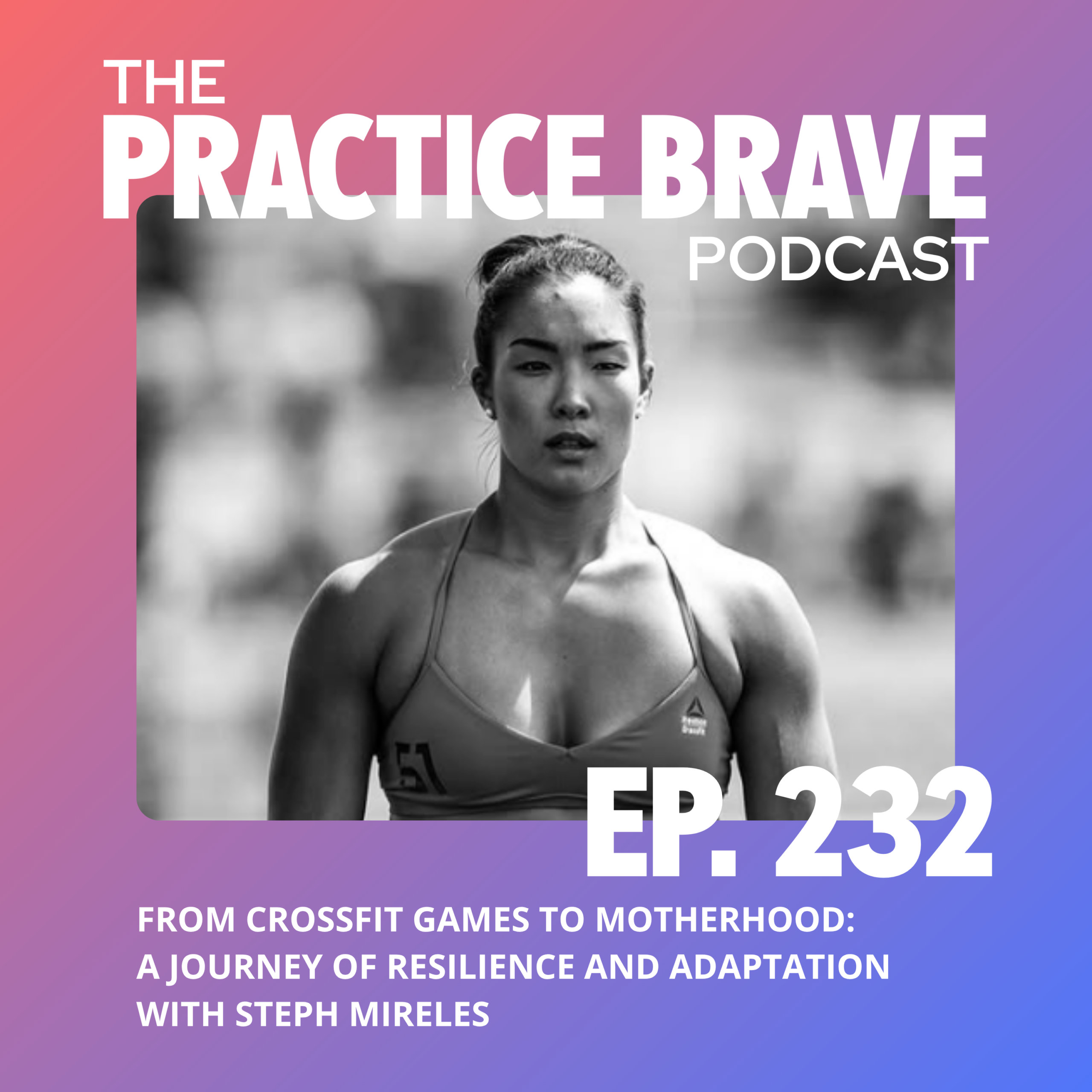
In today’s episode, I sit down with Steph Mireles, former CrossFit Games athlete and physician assistant, to talk about the evolution of athleticism through different seasons of life—including pregnancy, motherhood, and career growth.
Steph shares her experience balancing high-level training with the demands of working in medicine, and how her relationship with fitness has shifted over time. We dive into the physical and mental adjustments that come with pregnancy, including training modifications, changing expectations, and learning to approach performance with more flexibility and self-awareness.
This episode is a reminder that athleticism doesn’t have to disappear during motherhood—it evolves. And sometimes the strongest thing we can do is adapt, slow down, and give ourselves permission to move through these seasons with more grace.
Connect with Steph:
IG: @stephchung2
Need workouts for your pregnancy or postpartum? Check out my programs (now with app access!):
The Pregnant Athlete Training Program: https://go.pregnancyandpostpartumathleticism.com/the-pregnant-athlete-program
The 8-Week Postpartum Athlete Training Program: https://go.ppaprograms.com/pp-program
EXPAND FOR EPISODE TRANSCRIPT
AUTO-GENERATED TRANSCRIPT
Brianna Battles 00:01
Welcome to the Practice Brave podcast. I am the host, Brianna Battles, founder of Pregnancy and Postpartum Athleticism, and CEO of Everyday Battles. I’m a career strength and conditioning coach, entrepreneur, mom of two wild little boys, and a lifelong athlete. I believe that athleticism does not end when motherhood begins, and this podcast is dedicated to coaching you by providing meaningful conversations, insights, and interview topics related to fitness, mindset, parenting, and of course all the nuances of pregnancy and postpartum, from expert interviews to engaging conversations and reflections. This podcast is your trustworthy, relatable resource for learning how to practice brave through every season in your life. Hey everyone, welcome back to the Practice Brave podcast. Today, I’m really excited to have Steph Morales here. She’s a high-level CrossFit athlete who is currently pregnant, and she’s been doing a really great job of documenting her process, and I feel it’s been really empowering for a lot of women to see just the different changes that she’s experienced, how she’s navigating her pregnancy, and we’re really excited to bring, bring you on and talk about it. So, Steph, thanks for being here, and tell us a little bit of your background.
Steph Mireles 01:19
Yeah, thanks so much for having me. I so I was a former CrossFit Games athlete. I competed at the regionals and games level for many years. I went to the games in 2018 so it’s been a little while, and then I actually went back to PA school. So I’m now a practicing physician assistant. I work in an ICU here in the Boston area, but I’m still connected with CrossFit. My husband and I own a gym here called CrossFit as Hame, so I feel like very fortunate that I’ve been able to transition into my forever career, but also stay very connected with the CrossFit community in that way, and say training
Brianna Battles 01:57
absolutely, and I love that, that it’s like an evolution, and where you’re at right now as a pregnant athlete, is another iteration of that.
Steph Mireles 02:06
Absolutely, it’s definitely been a transition. I mean, from full-time athlete to student, still trying to kind of compete. I went to semifinals in my second year of PA school, a whole different experience being a part-time athlete, and then transitioning into my kind of full-time role as a PA, and also, you know, working at the gym and helping Rob, it’s been there, have been a couple phases of life, and now as a pregnant, pregnant athlete, there’s been a lot of learning going on in the past couple years.
Brianna Battles 02:40
Well, I feel like you’re clearly a very high drive, high achieving woman, and that can be, you’ve had a lot of practice at having to be, I think, like scrappy, right, like scrappy and resilient, juggling different variables and acclimating to like whatever your reality
Steph Mireles 03:00
- I try, I like doing a lot of things, and I fortunately have a support system that allows me to do those things and pursue my, my goals throughout my career. I’m, I have been injured a fair amount of time, so I didn’t, I certainly didn’t have like a, an injury-free career, and so I feel like that helped put some perspective for me in into this pregnancy, but it’s also given me a lot of gratitude for the years that I do have that I feel really good.
Brianna Battles 03:31
Yeah, absolutely. Well, I want to, like, before we like dive into pregnancy stuff, I want you to talk to me about, I like, we said about being a part-time athlete, because I know, especially like in CrossFit, but honestly, in general, like, a lot of people will go all in on that, but then you had this whole other, not even a side quest, but just like a big dream and a lot of responsibility going to PA school. So, what was that like trying to pursue a really intensive career while also pursuing a really intensive sport?
Steph Mireles 04:00
Challenging, I’d be lying if I said it wasn’t really challenging. I loved being a full-time athlete. It was such a unique experience. I’m so really, just really grateful for the years that I had committed just to the sport, but I do think having having something else in my life gave me perspective. Yeah, and honestly, it taught me that I could, one, be a little bit more efficient in the gym, you know. I was, I was always one of those people who, like, warmed up for forever, you know. I took all the time that I had, and that was really great, but I didn’t ultimately need all that time to compete at the high level. So it really helped me kind of focus my energy into what I needed to do gave me some perspective, and then I really just appreciated competing that much more, you know. In my first year of PA school, we’re all, we’re in the classroom, and so my schedule wasn’t conducive to competing, so I kind of took that year off, but in my second year, when we were in rotations, I had a little more flexibility, so. I was able to like half pursue a competitive career, and kind of say, okay, this is one last season, potentially the last season that I’ll get before I start my career. So I felt a lot of appreciation for being on the semi finals floor that one last time, and I think I, I soaked it in a lot more, knowing that I may not, I may not be there again.
Brianna Battles 05:24
Yeah, something we talked about before we actually started recording was your athletic maturity shows, like it just does in in what you share online, and I think so much of it likely has to do with the fact that your identity wasn’t attached to one thing that you were able to, like, have so much gratitude for the ability to compete and to train, while also pursuing something else that was fulfilling another part of your identity, and who you are, like you’re not just one person, there’s not just one iteration of you, you’ve continually evolved through the years, and I think that’s that sets you up so well going into a season like motherhood, where there’s additional changes, physically, mentally, emotionally, time, routine, etc.
Steph Mireles 06:05
Well, thank you so much. I appreciate that. I definitely, you know, when I was a full-time athlete, I did feel a lot of pressure.
Brianna Battles 06:13
Yeah,
Steph Mireles 06:14
and sometimes that didn’t help me, you know, when your whole life and career is riding on how you perform on a weekend, it can be really stressful, and that for me wasn’t always fun. And so I had a couple, you know, ups and downs. I had a good season, then I had a bad season, where I was putting so much pressure and emphasis on the outcome. And then I kind of turned around and said, like, hey, this isn’t worth it for me to be in this full time and not enjoy it. So we found other ways for me to like enjoy the process and just enjoy being there, and so I think having something to focus on, other than just results, has been really important for me as an athlete, and then hopefully it’ll help me in my postpartum journey too.
Brianna Battles 06:54
Absolutely, absolutely. Well, did CrossFit lead to you wanting to go into, like, the medical world, or was that something that was always on your radar area of interest,
Steph Mireles 07:05
that was always the goal. I went to school as a pre-med. I put that dream on hold momentarily. I moved to the Middle East to try to have a little gap year and do something a little bit different, other than school, before I committed my life to medicine, and in that process I started training CrossFit, started loving it. I loved living in the Middle East. I met my now husband there, so just felt like the right thing to continue and pursue it while I had, while I was young, and while I had the opportunity, and I’m very grateful those opportunities presented themselves. And then it turned into kind of a seven year long gap season, so ultimately I got into my late 20s and said, like, okay, it’s time to start thinking about going back to school, and you know, doing what I set out to do originally, but it’s definitely given me a different perspective in medicine, which I, I love, I think, coming from a background of, you know, wellness changes how you see medicine, and I now treat patients in an ICU, which is a very different setting. It’s given me just a different view of how we practice and help people.
Brianna Battles 08:17
I bet you have such great mom lore already, like your, your, like, life experiences are, are really awesome, like, it’s very cool. Thank
Steph Mireles 08:26
you
Brianna Battles 08:27
a lot to flex. Thank
Steph Mireles 08:28
you. I know we’ll be telling our, we’ll be telling our son about all of our adventures abroad, that’s where we met, and we got married while we were still living abroad, so this makes for a lot of good stories.
Brianna Battles 08:39
That is so cool. What, what made you want to go to the Middle East?
Steph Mireles 08:43
It happened kind of by accident. I was, I was an undergrad, I was pre-med, and I was looking for an opportunity abroad. I didn’t get to study abroad because of my research obligations, so I was looking for something that was just year long, yeah, kind of easy entry, just while I applied to medical school, and my college had a program, I guess, where they hired new grads from undergrad to go teach at the medical school over in Doha, Qatar, and so I got hired as a TA, and I got to teach students over there, I met a lot of amazing, amazing students, and it was a very, it was very easy, like the school helped you get your visa and set up your housing and everything, so there wasn’t a whole lot of, there wasn’t a big barrier to moving abroad.
Brianna Battles 09:34
Yeah,
Steph Mireles 09:35
but I moved, I moved, and I’m so happy that I did, because I loved it there. I decided to sign on for a second year and stay with the university, and that’s the time when I started to get really competitive in CrossFit, and decided that I had an opportunity to just stick with that. Yeah,
Brianna Battles 09:49
that’s so cool. I mean, I think you’ve shown, like, I think what’s coming through in this conversation is you’ve taken a lot of chances and been willing to bet on yourself. Self in so many different like eras of your life.
Steph Mireles 10:04
Absolutely, I mean, I’ve been really fortunate to have people around me who also believed in me and told me to take those chances. I’m so grateful to my parents for encouraging me to take some time off from school. I don’t think a lot of parents would be super excited about their kids saying, hey, I want to move to the Middle East for a year and not go to medical school, and then also be supportive of, like, hey, I don’t actually know if I want to go to medical school at all, I want to stay here, but my parents were always very, very supportive of that dream. They even came to a lot of international competitions when I transitioned into CrossFit full time, and then obviously my husband, now we met in the CrossFit space, and he was always like cheering. He was like, you could do this competitively, and I was like, I don’t think I can. Like, I had back injuries when I was a gymnast. I was like, broken when I started CrossFit. I never lifted a weight, you know? I was like pretty weak, you know. I had no technique, but he believed in me, and he was like, you know, you know, you should, you should start training for something, I know that you have that drive, and just see where it takes you. So, he was really, he was really the reason I started getting into the competitive side of CrossFit.
Brianna Battles 11:15
That’s so awesome. And then, how long have you guys owned at the gym?
Steph Mireles 11:19
We opened back in 2024 so we’re coming up on our two year anniversary in June.
Brianna Battles 11:24
Oh, congratulations!
Brianna Battles 11:25
Yeah,
Brianna Battles 11:26
yeah, we thank you. A jiu jitsu gym, and so I feel like there’s a lot of parallels between CrossFit, like gyms and jiu jitsu in the community piece, and but it’s like it’s so fun, right? It’s so, I mean, it’s like an emotional roller coaster, a little bit, but also pretty fun.
Steph Mireles 11:43
Yeah, 100% I don’t know a lot about jiu jitsu, but I know that owning your own business, you’re is a lot of work, especially at the beginning. So, good for you. Congratulations.
Brianna Battles 11:53
Thanks. Yeah, it’s mostly, I say, it’s mostly my husband’s baby, but I can’t help myself in terms of like involvement, and you know, being a part of, part of me, but I’m like, no, I gotta focus on my own business, I cannot, I cannot be divided, I’m sure you can understand that with your work, and then you know, trying to just do it all, all the things,
Steph Mireles 12:13
100% I mean, it’s like 95% Rob is the business, and then I come in and I help with a few things, but I mean, at the beginning, it was just us coaching. I would coach whenever I had a day off in the hospital. He was there almost all the time, definitely a labor of love. But fortunately, he has a lot of experience, so he, he brings a lot of experience to the table and expertise that makes my job very easy.
Brianna Battles 12:38
I love that. All right, so now let’s talk about pregnancy, and what has that journey been like for me, for you? Like, did you know that you always wanted to be a mom? Like, where is this? Where was that at for you?
Steph Mireles 12:50
Yes, I have. I’ve always wanted to be a mom. I was always really excited to have kids, but again, all of the things that kind of fell into my lap and kind of happened were not necessarily planned, but I’m very happy they did, and so you know, Rob and I were very happy with our lives, and we had a lot of goals, you know. I went, we moved back to the States, COVID happened, we ended up, we always wanted to open our own gym, I always wanted to go to school, so we kind of staged that, you know, I went to school, then we opened a gym, as we had a lot of things on our, on this, on our plate before we wanted to have a kid, but it has been in the works for a long time, so when we got pregnant, we were very excited about that, also knew that our lives were going to change very drastically, and I knew that the nine months was going to look a little bit different, certainly in terms of training and working and things like that.
Brianna Battles 13:47
Yeah, so what has it been like for you? You are at the end of your pregnancy right now. Talk to me about what your pregnancy experience has been like as an athlete with an extensive background as a coach and also knowing like the medical side.
Steph Mireles 14:02
Yeah, it’s it’s been an emotional roller coaster. I don’t take for granted that I know, like, a little bit about Obi, but that’s not my specialty, so I kind of know a little bit, but not a lot. Yeah, as, as an athlete, it’s.. it’s been great, but tough. I will say, you know, I was prepared for having
Brianna Battles 14:24
to change and modify
Steph Mireles 14:25
a
Steph Mireles 14:25
lot of my training, having coached pregnant athletes. Also, knowing that every pregnancy is different, I didn’t know, you don’t know what to expect, so I went into it trying to stay open-minded, you know, not knowing when I was going to have to give up like handstands or running or jumping and things like that, but I do feel very fortunate, because most of my pregnancy has been one, uncomplicated, and two, I’ve been able to stay very active, like my body has felt pretty good. I started working with a pelvic floor PT very early on. And I credit her for a lot of the reason that I was able to feel comfortable doing what I do, having the support of, you know, core work, and also having her, you know, guide me in what, what’s safe and what feels good, and how I can make it, how I can modify to really make it feel better. So overall, I feel really lucky that I felt good and been able to move most of my pregnancy, but I would be lying if I said that it was easy to modify things all the time, you know? Like, I still catch myself, even recently, even with the open, I caught myself saying, like, “Oh no, I can do that workout RX, like, like I can do the RX dumbbell, and you know, you’re in that mindset of, like, you’re like one, you know, one rep RX is better than, you know, 100 reps scaled. And then I would step back and be like, wait, stuff, but why that doesn’t apply to you anymore? Like, it doesn’t matter at all where you sit on the leaderboard, like you just have to do the workout that’s right for you. So I have still struggled with that, even knowing what I know. Yeah, I’d be lying if I said it was super easy to make that decision, but it’s, I think it’s been right for me,
Brianna Battles 16:08
yeah, it’s definitely like a reframe you mentioned, like you’ve had to do that before, like this isn’t your first, even though this is your first time being a pregnant athlete, it’s not your first time of like having to go about things differently and like, adjust your expectations around your body, or your training volume, or your training intensity, whether it was injury or just the time that you had to train when you were in PA school.
Steph Mireles 16:31
Yeah, absolutely. I mean, I think the, the mindset of the injured mindset, even though pregnancy obviously is not the same as injury, but having that mindset of, like, this is a temporary situation, you know, it’s easy to feel like the situation right now is like your forever state, you know, and get really kind of down about that, but you know, being injured for some of my career, you all, you know, that if you just do it right, you’ll come back stronger, you know, you just can’t rush the process, you have to do what’s right for you in the moment, and so I tried to approach pregnancy the same way, and just I had to do what’s right for my body right now. If it didn’t feel good, it wasn’t worth doing.
Brianna Battles 17:10
Yeah,
Steph Mireles 17:10
sometimes you know that meant changing box jumps to step ups very early on. Other days I could jump and I felt fine. So I think handling it like that, and trying to come in with the mentality of, like, this isn’t my norm, this isn’t my norm for forever, it’s just my norm right now, and the focus was keeping my body and the baby healthy, and then once once I give birth, and once he’s in the world, then we can work on the rebuild,
Brianna Battles 17:38
yeah, that’s, I mean, honestly, that is the shortcut, you know. I tell every, every pregnant athlete is like a few, obviously, there’s things that are not in our control, but ultimately, like, the best hack for postpartum recovery is like being willing to, like, adapt your relationship with your body, with your training, and, and even just like these rigid expectations that I think so many of us have, as athletes, of like, I should be able to do this, or I normally would be doing this, and it’s like this mental game that it’s just like those voices can be so loud, or even comparing to what other athletes are doing in that comparison culture, because there’s just so much more, and it’s so much louder online, and it’s hard to not feel like either FOMO or should I be doing this or not, and just it’s like a, it’s a tough landscape right now, I think, to be a pregnant athlete on social media.
Steph Mireles 18:32
Oh, I absolutely agree. I think it’s there’s a lot of benefit in seeing, in getting information right. There’s so much information out there, and, and some of it is great, you know, at the educational, but the comparison aspect is really tough. Yeah, you know, I think, like, you know, seeing some pregnant athletes who are at my stage doing, like, ring muscle ups, I’m like, my shoulders would rip out, you know, like, for me that’s not right, yeah, for them, that, that’s great, and I’m so happy that they’re able to do that, but, like, for me, I haven’t done a ring muscle up since I was like 14 weeks,
Brianna Battles 19:07
yeah,
Steph Mireles 19:07
and I did one to show that I could, and I was like, okay, that’s it, you know, and some people I know look at my videos and they’re like, I could never do that, you know, at 37 weeks pregnant, but it feels right for me, you know, and so I think you have to, one, the voices online, the voices online are loud, saying like, you should do this, you shouldn’t do that, and then also, when you have that athlete drive inside of you, you’re like, oh, but I probably could do that, but should I, and it’s really hard to balance that.
Brianna Battles 19:38
Yeah, absolutely, I think that’s the hardest part. Now, I’ve been, this brand has been in existence for like 12 years now, and we’ve seen just like a crazy pendulum swing from like fragility to invincibility to then more information to then hyper awareness, and now there’s like some fear again, and then we’re trying to dispel that fear by. Showing more support, but again, when we are talking about an athlete, they’re going to take the almost like the extreme end of what’s being shown, or they’re going to interpret it the way they want to interpret it, but it’s, I mean, you know, coming from the medical world, like even what’s put out there is still not always considerate of the whole person, it’s like only looking at certain details, but not necessarily like long-term athletic performance, or pelvic health, or mental health, and just like the individualized side that is just good coaching, but we kind of overlook that in the pregnancy and postpartum fitness world.
Steph Mireles 20:37
Absolutely, I mean, I obviously, being in the medical field, I respect what you know, doctors, medical professionals tell us to do. I just think we have a lack of research into pregnancy and what’s really safe. I think there are there are some really good studies that have been done recently on the safety, right, and that’s really what we care about, is the safety of exercise in pregnancy. I did a thesis in PA school about that, about high intensity exercise during pregnancy, so that helped give me some perspective, right? It’s just hard because we have – we only have so much evidence, you know, and data. Everyone has an opinion, and we just – and everyone is different, truly. So, and it’s very difficult, you know? Like, I feel fortunate coming from both the medical and the wellness side, and also knowing my body very well as an athlete, that I felt very comfortable adapting and knowing what felt good for me. But at the same time, I relied on my pelvic floor PT all the time, you know. I said, like, I’m feeling this when I squat. Is that normal?
Brianna Battles 21:43
Yeah. Is
Steph Mireles 21:43
that okay? Like, should I be nervous about this? Should I actually be nervous about diastasis? Like, can I hang on the bar? Because it is, it is new, it’s different, and you’re afraid of doing something that could harm the baby or harm you in the long run. So, it’s definitely not an easy space to navigate, and I think the all the information and disinformation on social media really kind of makes it all cloudy.
Brianna Battles 22:07
Oh, it’s so cloudy, and it is hard, because it’s like, yes, we know that it’s like safe and beneficial, but even whether it’s research or what people are sharing online, it’s still limited, right? There’s still just certain limitations, whether it’s in the studies or limitations, and like the what we see versus what is actually being experienced, or what we, what we know versus the realities, and it’s just like a murky ground, but the fact they were able to kind of connect the dots between like leaning into your pelvic floor PT, knowing your own body, being open-minded, and not like really rigid, I think that’s going to set you up so well for your postpartum recovery, and just, you know, you’re maintaining a lot of fitness through your pregnancy, and you’re not having to like prove anything to yourself or somebody else, and there’s a lot of mental freedom that comes with that as well.
Steph Mireles 22:54
Exactly, and that that actually has been a very freeing aspect of all of this, like there’s something really humbling about scaling a workout, and, and I’ve completely lost all inhibition with that. I’m like, I’m doing a completely different workout, give me something totally different. Like, today was a really good example at our gym of that. I did something just different than what was on the board, but it was a good workout for me. And so I think there’s benefit in that too, and just saying, like, I’m gonna go to the gym and get a good workout, doesn’t have to be, I don’t even have to put my score on the board, like, I just, I’m just doing right, and what feels right for me today. Yeah,
Brianna Battles 23:30
and that’s, and then it’s funny, because, like, as coaches, we’re like, well, yeah, of course, but then I think the athlete brain is so strong that it’s almost like you feel like it’s a hard place to arrive at when you’re actually put in that position of being the one who’s scaling or doing something different, or your body needs something just a slightly adjusted right now. Like, as coaches, we would always encourage that and support that with our athletes, but it’s hard being like when the when that shifts and it’s us in that position 100% It’s really hard to take your own advice. Oh yeah, and you probably know that from a multitude of angles.
Steph Mireles 24:04
Yes,
Brianna Battles 24:05
yes, that’s so exciting. So, what is like postpartum? Like, what do you want a year postpartum look like for you? What would be your ideal, like, just life as an athlete mom?
Steph Mireles 24:18
That’s a great question. You know, I’d hope that I would be back to feeling more like myself. I think that’s a little bit of, you know, I actually have loved being pregnant. I’m again very fortunate that I’ve been healthy and I’ve had a good pregnancy, all things considered. But I, the hardest thing is like not really feeling like myself, you know, all of these, you know, all of the changes. The female body is absolutely incredible, but at the same time I’m like understanding that, and I’m also feeling like I just don’t feel like myself, you know. So I feel at a year it would be nice to feel back to like my normal self. It would be nice to be able to take the baby with us to the gym. Him and exercise with him, and have him seeing us very fit, very active, getting that ingrained in his life. I work long days at the hospital, so the days that I work, I really don’t have time to work out, especially with him, you know. I’ll probably be rushing home to get him in a vap into bed, so I probably won’t have time to work out on those days, but I think if I can get back to what my schedule was, you know, pre-pregnancy, where on my days off I’m spending, you know, I’m taking class at the gym, I’m seeing all the members bringing him to the gym and having him be a part of that, I think is really important to me too.
Brianna Battles 25:37
Yeah, I love, I love asking that question, because I think it’s one that we overlook, because we’re like, well, what is like the end of pregnancy look like, or what does like birth look like, and being able to like really, really zoom out almost helps you like reverse engineer that process and manage the expectations that come along the way, where you’re like, okay, if that’s the ultimate goal, it’s not necessarily to like hit this certain metric, which like is fine, like it’s fine to have a performance goal or a metric goal or an esthetic goal. Yeah, but it’s also like, what do you want that quality of life to look like? Then you can reverse engineer all the other things, and it, it just makes those metric-based goals so much more gratifying too.
Steph Mireles 26:15
I love, I love that you put it at a year out, because it, that takes the pressure off. I feel like you know everyone’s like, “Oh, you’re gonna get back, you’re gonna get your body back like so soon, you’re gonna get back to working out like so soon. But I don’t know, you know, birth is so variable, and it can be very traumatic, so I don’t know that it’s fair to really say to put a timeline on on that, but I feel like a year out, you know, you’ve had enough time to recover, and hopefully you know regain some aspects of yourself. So I love that the you gave a little bit of time. Oh yeah,
Brianna Battles 26:51
it’s accommodate realistic, regardless of athletic background, regardless of birth experience, to have really like short term expectations around looking or performing a certain way, because the ones that typically are rushing to feel a certain way or look a certain way or perform a certain way, something is lost in that process, whether it’s like they struggle with their mental health, maybe there’s an injury, maybe there’s some symptoms that come up, or it’s just like they’re so in the like almost like in survival mode, just trying to feel like themselves again, that they’re just, they’re out trying to out athlete this very physiological process, and you can’t do that, like, and we know that, you know that from a medical standpoint, I know that from being in this, seeing like a pattern repeat itself over and over with athletes, um, rushing the process will ultimately take more time long term,
Steph Mireles 27:46
totally. I, and I like that you try to out athlete, but like what’s happening to your body, because you’re just so ready to, I’m sure, get back to how you, how you were before. I, yeah, I think that’s really powerful. It’s on the one hand, working out is a huge part of my mental health.
Brianna Battles 28:07
Yeah,
Steph Mireles 28:07
so I know when I’m not, you know, when I’m feeling down or when I’m feeling tired and whatnot, you don’t feel like working out, but you go and you do it and you feel better afterwards. Yeah, you know, so I know that about myself. So I think I think that will be a huge balancing act of knowing, like, the days that I really actually need to rest instead of work out, and the days that I need to, like, step away and work out to get back to, you know, more of a baseline.
Brianna Battles 28:36
Absolutely, and that year is just like an acclimation period, like your body’s continually changing. If you’re nursing, like there’s implicit, like it’s just there’s changes there too, like it’s not none of it is bad. It’s just like it’s different. You’re in a different body right now, and your life is different, your sleep is different, your overall demand and load is different. And yet it’s also not forever similar to pregnancy, but I think we just expect, like, once you have the baby, like, all right, we’re back to normal, but it’s so unfair to have that kind of expectation culturally, but also just individually.
Steph Mireles 29:12
Oh, so true. I, yeah, it’s, it’s entirely unfair. I mean, I get a wonderful maternity leave, but I’ve talked to friends who’ve been back at work on their feet like four to six weeks postpartum, and that just doesn’t seem at all realistic, you know. Whether you’ve had a C-section or not, you know, we don’t even – people don’t even go back to work that early if they have surgery, so it just feels like a really unfair expectation to like just bounce right back to yourself when, as you said, that fourth trimester, there’s so many changes still happening, and we just don’t appreciate it, because now your baby’s on the outside, and you know you look, you look back to normal,
Brianna Battles 29:51
right?
Steph Mireles 29:51
But nothing’s really quite normal yet, that’s a great point,
Brianna Battles 29:54
especially like as that high achieving athlete brains person. Like, there’s just a lot of self-imposed expectation there. Nevertheless, almost feeling more self-conscious of the expectations others might have of you, even if they don’t, but feeling like, well, I like they told me that I would bounce back, or that I would be able to do this, or not, whatever. Like, there’s just, there’s a lot of voices that play into that particular season, and it can be, it’s just really hard to chat, like it’s just challenging to navigate sometimes.
Steph Mireles 30:28
100% I love, I love your point about remembering the overall goal, like that’s what helped me this pregnancy to stay grounded in what I should do and what I can do. You know, remembering that the overall goal was that, like, I wanted, I wanted to personally feel good, be healthy, and keep my baby healthy, and I, I love the idea of keeping that goal, obviously changes because the goal post shifts out, but keeping that same, you know, overarching idea to get through postpartum, I think, is really powerful.
Brianna Battles 30:58
I’m going to take that, you have to, like, first engineer the process, and we know that with every other element of being an athlete and training is like, well, when are we trying to peak? Like, if we’re trying to go to the games, when do I want to do my best? Okay, that means the months leading up to it, I’m doing this, but the year leading up to it, you’re not like grinding and pushing and rushing right in that lead up, you’re doing it gradually and incrementally as your athletic readiness and your capacity and all of these things are able to, you know, like you’re able to scale, you’re able to progress, and because you’ve given it time, like progression just needs time, but I think our culture, especially the fitness culture for pregnant and postpartum athletes, is just this assumption of do everything you can and maintain, and then get back to it as soon as you can postpartum, but that’s why we see so many women that are struggling, whether they report that and have support for that or not.
Steph Mireles 31:52
So true, so true.
Brianna Battles 31:56
I like having these candid conversations, especially like when you’re still in it, because there’s so much to be said, like when you’re able to like reflect back on it, be like, “Oh yeah, this is what I did, this is how it went, this is, you know, what went really well for me, or this is what was hard, but like, you’re like in it right now with this exciting, like life change that’s about to happen with having your son, and then going through your postpartum experience, and I guess what I want you, and honestly anyone else, to hear is like, where you’re at right now, like this is such a catalyst season for you, like you’re on the brink of unlocking a whole new side of yourself as an athlete, as a woman, now as a mother, and that’s the cool part about being an athlete, is seeing like what you like, what this creates, how it, how it serves as a catalyst,
Steph Mireles 32:43
that’s so cool. I appreciate that. I know it does feel like a lot of evolution, you know. I think there’s this, as we’ve been talking about, this like pressure to get back to like yourself, but I don’t know that you ever.. I don’t know that I feel like I will go back to what I was before, you know, it’s just, it’s an evolution of who I was, and I do hope that I, you know, start to feel more like myself in terms of being like, you know, someone who’s very active, you know, loves to work out, loves to get that high intensity workout, but it is, it’s just, I think, forever changed, you know,
Brianna Battles 33:17
yeah, and you will, like, you get to the other side, and like, you realize it was never just about pregnancy and postpartum, it’s about what I refer to as a lifetime of athleticism, and these are such eye-opening seasons for women and for female athletes in general, but it’s not just about how you’re training during pregnancy or postpartum, it’s like this again, this evolution, because as we get older, like our relationship with our body and fitness and training, like all these are things are going to change, and it’s not a bad thing. Just like you’re, you know, you are working as a PA now, so how you’re training now is very different than how you were training when you were trying to go to the games, which is different than how you were training when you were a gymnast, right? Like, there’s so many different iterations of ourselves, but we don’t give ourselves that same grace when it comes to pregnancy and that like those early motherhood years,
Steph Mireles 34:05
that’s it’s such a good point. I mean, I think there’s this pressure on moms too to like just be okay, you know, and that is changing a little bit. I feel like it’s changing, at least in what I’m seeing, you know, on social media is like, it’s okay to, to be, to have postpartum depression, you know, it’s okay to not be back to yourself, it’s okay, which is really great, but we’ll see. I think it’s, I think also giving yourself grace at a time when, like, you know, you’re, you’re thinking, I should be happy that I have this baby, but I don’t know that I feel that happy, you know, like things still feel different. I think preparing for that as a big unknown pregnancy was a big unknown for me, and so now I’m kind of.. I feel like, you know, we’re at the end, and I’m kind of preparing for all of that afterwards.
Brianna Battles 34:55
Yeah, and you know, it’s just.. it’s a trans.. it’s a transformation, like.. and I think. That they’re like, like grief in some ways, and like joy and excitement. Sometimes these things coexist, like it’s not like you might mourn your routine or your life or your body that you had, but at the same time you’re like, I’m so happy for this, and it’s whether it’s postpartum depression or just like it’s a big identity shift, and identity shifts are hard at any point for us as women, for high-achieving women, as athletes, if you’ve had a back injury, there’s probably going to be some depression attached to that, because you’re like, I feel incapable in my body right now, and that sucks, but, like, it’s not that you know we have to pathologize it, it’s just more of a acknowledging that life transitions can be challenging, but ultimately most people come out the other side with so much more maturity. They gain a lot as an athlete, because they have so much more insight, they have so much more body awareness, they have so much more appreciation. Like, I’d say that moms become a better, like, you become a better athlete when you become a mom, because you just gain so much wisdom, like you just have so much more understanding of your body and appreciation for it.
Steph Mireles 36:05
That’s a great point. I mean, just seeing the athletes that have come out of, like, my – I can’t all say my generation, like of the games, who become moms and then go back to competition and do incredible things, you know, like, and just they talk about it, like, yeah, just mom strength, yeah, and they’re just such, they’re so inspiring, and there’s a fair amount of moms in the women’s field now who are just doing amazing, amazing things, so it’s really inspiring, actually, to see them too acknowledging, you know, I’m not the same athlete that I was. I’m actually maybe better. Yeah, that’s really, really cool to see.
Brianna Battles 36:47
Yeah, the cornerstone of this brand is not athleticism, does not end when motherhood begins, like it’s going to be different, but different is an opportunity, and we’ve seen that repeat over and over and over in so many ways, and it’s, it’s cool that you’re, you’re already starting to experience that, and it will only continue to evolve.
Steph Mireles 37:10
I hope so. Yeah, there’s a.. I think there’s a resilience that comes from, like, we talked about earlier, doing something other than just fitness, you know, having to figure out something else, right, and then also get your time in the gym, kind of be you. So I think that that piece, that resilience piece, is really key.
Brianna Battles 37:32
Absolutely. Well, Steph, thank you so much for coming on the podcast and sharing about like where you’re at in this process. I think it’d be really fun to talk to you, and you are postpartum, and just say, like, all right, like, update, how did things go? How are you feeling right now? And just sort of share your, share your process, and share your journey, because I think there’s a lot of, you bring a lot of wisdom and perspective to this, which is so needed on online for women to see who are also pregnant or thinking about getting pregnant and just trying to like manage expectations and training and just being honest about what that process looks like.
Steph Mireles 38:06
Well, I would love to come back. Thank you so much for having me. This was really a really nice conversation, and I’m glad that what I’m posting resonates and that it’s a good message for people. I have only ever hoped to share my experience, which is just one person’s experience, but yeah, if it can help someone, I’m, I’m really grateful. It’s not, I’m, it’s not been all rosy, you know. I think it’s hard for everyone, no matter what you’re experiencing. And again, everyone’s pregnancy is so different, but it’s, it’s great to hear from someone who’s, who’s been there and who’s coached a lot of pregnant and then postpartum athletes, and hear that it does, you know, things do change, but they also get back to how you normally are, you know,
Brianna Battles 38:48
yeah. And, like, the athlete mom era, is it will be your best athlete era yet? Like, I promise, it really will be. It’s going to be so fun. And then, and then you get to raise the next generation of little athletes, and that’s where I’m at right now, is like I’m watching my boys play sports, and just see like them experience like what brought me so much joy, you know, and and they.. it’s like you had said earlier, I think, when you’re talking about like what you want your life to look like out of your postpartum, like my boys have grown up coaching with me in the gym, training with me, it’s so normalized, and you start to see it as of like their athleticism and their competitiveness and mindset and success is such a result of like exposure, like we’ve normalized parents that really value being active and identifying as athletes, that that wasn’t a former version, I’m not, was an athlete. It’s like, man, we are, we are an athletic household,
Steph Mireles 39:47
that’s so, that’s so awesome, that’s so cool. It’s, and it’s, I think it’s so important for kids to see their parents be active,
Brianna Battles 39:54
yeah,
Steph Mireles 39:54
you know, and have, have that passion too. I think, you know, kids are always watching, they say, so. So you know I’m not a mom, but I’ve heard that from many moms, is that kids are always observing you and watching what you do, and the actions, your everyday actions really matter. So, yeah, hopefully he’ll absorb a little bit of our athletic passion.
Brianna Battles 40:16
Yeah, he will, and I know it just, I mean, obviously, like, looks different for for every family, but I think it’s, it’s more of a certain value system and relationship with fitness and our bodies that we get to instill, just like we’re trying to instill all other, like a good, a good value system in all other categories, but like my boys will say, like, when I’m kind of cranky or something, I just don’t feel good, they’re like, you need to go work out, you’ll feel better when you work out, and I’m like, I know that’s great. Like, I think I should go to Jiu Jitsu, but I don’t.. I don’t know if I really want to. Like, you’re gonna feel better if you do. Like, I know. Okay, I’m raising like my little coaches and mini training partners who just..
Steph Mireles 40:52
it’s awesome.
Brianna Battles 40:52
They know, and it’s cool. I’m telling you, like, the other side.. like, obviously, like I said, you have great mom lore already, but this next era is going to be really cool for you.
Steph Mireles 41:03
Thank you so much. I’m so grateful.
Brianna Battles 41:05
Yeah, so where can people follow along? Where are you at?
Steph Mireles 41:09
Yeah, I’m mostly on Instagram these days. My handle is Steph Chung, too. That’s mostly where you can follow me. And then our gym is CrossFit Attain, and I manage social media on there, but you, you won’t see me. You’ll, you’ll just talk to me if you send me a message.
Brianna Battles 41:22
Amazing. Well, thank you so much, Steph. It was great getting to know you and talking to you more.
Steph Mireles 41:28
Thank you so much for having me. Appreciate
Brianna Battles 41:33
- Thank you so much for listening to this episode of The Practice Brave Podcast. If you enjoyed the show, please leave a review and help us spread the work we are doing to improve the overall information and messaging in the fitness industry and beyond. Now, if you are pregnant and you are looking for a trustworthy exercise program to follow, I have you covered. The Pregnant Athlete Training Program is a well-rounded program for pregnancy with workouts for each week that are appropriate for your changing body. That’s 36 weeks of workouts, three to four workouts each week, and tons of guidance on exercise strategy. We also have an at-home version of that program. If you are postpartum and you’re looking for an exercise program to follow, the eight week postpartum athlete training program would be a really great way to help bridge the gap between rehab and the fitness you actually want to do. From there we have the practice brave fitness program, which is an ongoing strength conditioning program where you get new workouts each week and have a lot of guidance from myself and my co-coach, Heather Osby. This is the only way that I’m really offering ongoing coaching at this point in time. If you have ever considered becoming a certified pregnancy and postpartum athleticism coach, I would love to have you join us. Pregnancy and postpartum athleticism is a self-paced online certification course that will up level your coaching skills and help connect the dots between pelvic health and long-term athletic performance, especially during pregnancy and postpartum, become who you needed and become who your online and local community needs by becoming a certified pregnancy and postpartum athleticism coach. Thank you again for listening to the Practice Brave podcast. I appreciate you, and please help me continue spreading this messaging this information and this work
MORE ABOUT THE SHOW:
The Practice Brave podcast brings you the relatable, trustworthy and transparent health & fitness information you’re looking for when it comes to coaching, being coached and transitioning through the variables of motherhood and womanhood.
You will learn from athletes and experts in the women’s health and coaching/performance realm as they share their knowledge and experience on all things Pregnancy & Postpartum Athleticism.
Whether you’re a newly pregnant athlete or postpartum athlete, knowing how to adjust your workouts, mental approach and coaching can be confusing.
Each week we’ll be tackling questions around adjusting your workouts and mindset, diastasis recti, pelvic health, mental health, identity, and beyond. Through compelling interviews and solo shows, Brianna speaks directly to where you’re at because she’s been there too!
Tune in every other week and share the show with your athlete friends!
This post may contain affiliate links, which means we receive a small commission from the seller if you decide to purchase (at no additional cost to you!) We only share products and services we have used, tested, and love ourselves!

